the ART of
DECEPTION
the ART of
DECEPTION
A life of deceit transformed into art
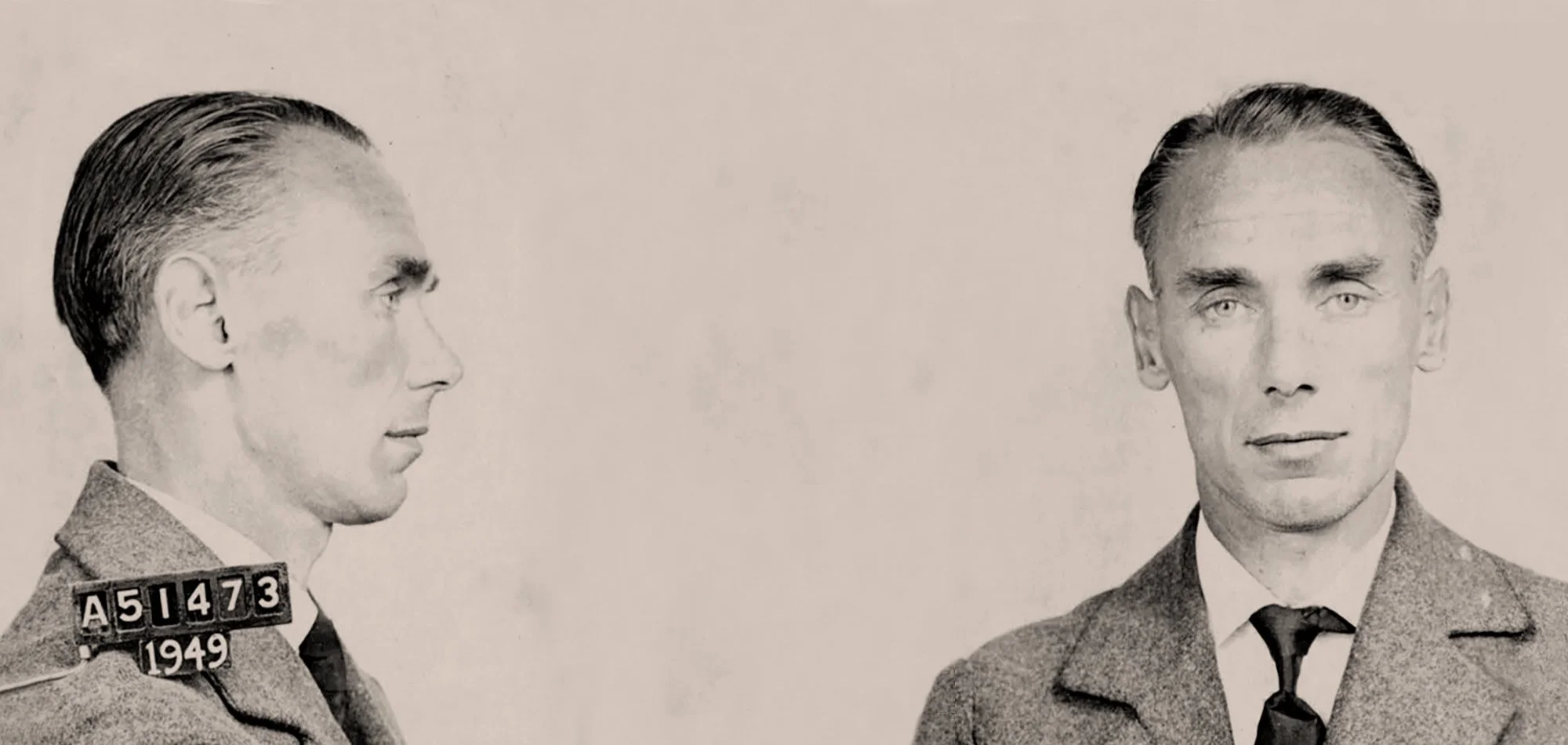
For twenty-five years Donald MacKenzie (1908-1993) lived by his wits—as a conman, racketeer, and thief roaming through Europe, North Africa, and the United States. Then, behind the walls of Sing Sing Prison in the late 1940s, he began to write. What started as a hoped-for means of staying on the outside for good became his second career: riveting short stories and thirty-six novels drawn from the underworld he knew firsthand.
A chance discovery
I first saw his name in the credits of the 1958 British noir film Nowhere to Go, based on his debut novel. The movie’s dark, cynical tone and moral ambiguity sent me searching for the author—and into a life story much more intriguing than the movie itself.
While serving time in New York, MacKenzie realized his criminal past could be literary capital. Short stories published while still in prison led, upon his release, to Occupation: Thief (1955, U.K. title Fugitives) and Gentlemen at Crime (1956). With his new career launched, those two autobiographical books were quickly followed by Nowhere to Go and a string of suspense novels released by major publishers on both sides of the Atlantic. Several were adapted for film, featuring stars such as Maggie Smith, Trevor Howard, and Dorothy Dandridge.
Fact and fiction intertwined
Publishers promoted MacKenzie as a worldly native of Toronto educated at prestigious schools in Canada and Switzerland. In truth, he was born in 1908 on the island of Anglesey, Wales, and spent much of his early life in British reformatories and prisons. His supposed Canadian pedigree—like much of his self-styled legend—was a calculated deception to distance the novelist from the petty, often-bungling thief he was in the 1920s and ‘30s. The deception endured for the rest of his life.
From prisoner to author
Style and legacy
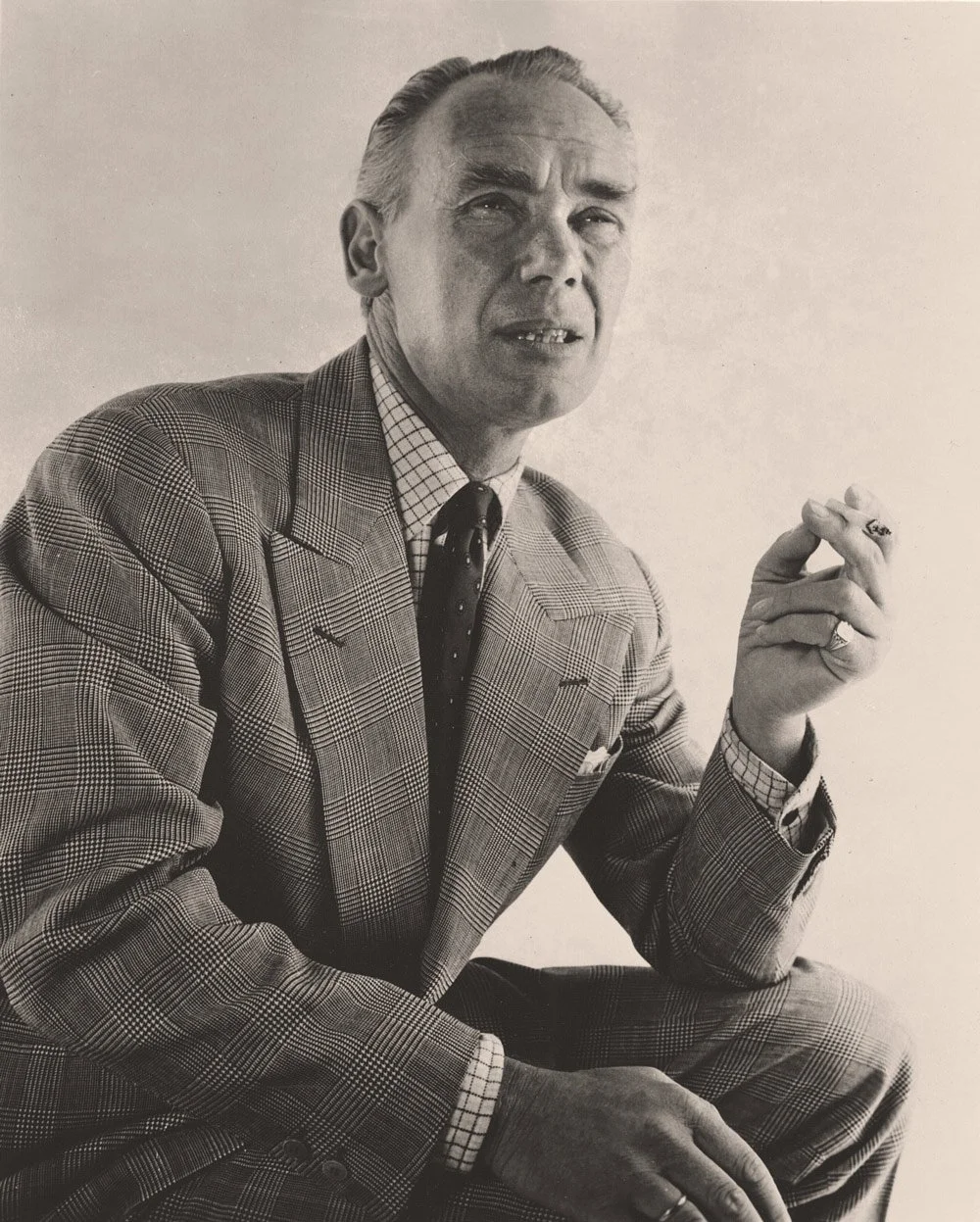
MacKenzie wrote with sardonic wit, psychological precision, and vivid description. His prose—spare, ironic, and world-weary—revealed a man who understood duplicity from the inside. Even after success, he remained a wanderer, writing from rented and borrowed houses in Ireland, Spain, Portugal, France, England and beyond.
MacKenzie blurred the boundaries between truth and invention, life and story. The persona he created—concealed even from those closest to him—became his most convincing fiction and his most lasting mystery.
Why he endures
PHOTO CREDITS:
MacKenzie mugshot: Courtesy of New York State Archives
Movie poster: Available on various online movie poster sites
Publicity photo for MacKenzie’s fifth novel, Knife Edge: Houghton Mifflin Company, 1961
A website focused on his untold story.
For more than a decade, I’ve pored over MacKenzie’s novels, book reviews, prison and literary archives, maps, history books, and newspaper clippings. I’ve spoken with the daughters of his first wife and of his post-war paramour, worked with genealogists, publishers’ agents, and psychiatrists—all in pursuit of the truth behind his enigmatic life and those who shaped it.
This site is the result of that search. I hope you enjoy exploring it.